A home is one of the biggest investments most people will ever make, and protecting that investment requires consistent care throughout the year. While it can be tempting to focus on cosmetic upgrades or large renovation projects, routine maintenance often has a greater impact on preserving a home’s value, safety, and functionality. Small issues that go unnoticed or are ignored can gradually develop into expensive repairs, making regular inspections and upkeep an essential part of responsible homeownership.
Creating a maintenance schedule can make homeownership much more manageable. Instead of reacting to unexpected problems, homeowners can plan inspections and services throughout the year based on seasonal needs and the age of their home. This proactive approach helps extend the lifespan of major systems, improves energy efficiency, and provides peace of mind knowing that important components are receiving proper attention.
Not every maintenance task requires extensive work, but each one plays a role in protecting the overall condition of a property. Some jobs improve cleanliness and comfort inside the home, while others preserve curb appeal and reduce the risk of structural damage outdoors. By staying consistent with routine upkeep, homeowners can avoid many common issues before they become serious.
The following maintenance tasks are among the most important services that should remain part of any long-term home care plan. Scheduling these services at appropriate intervals can help keep your home cleaner, safer, and better prepared for whatever each season brings.
Keep Interior Floors Clean and Fresh
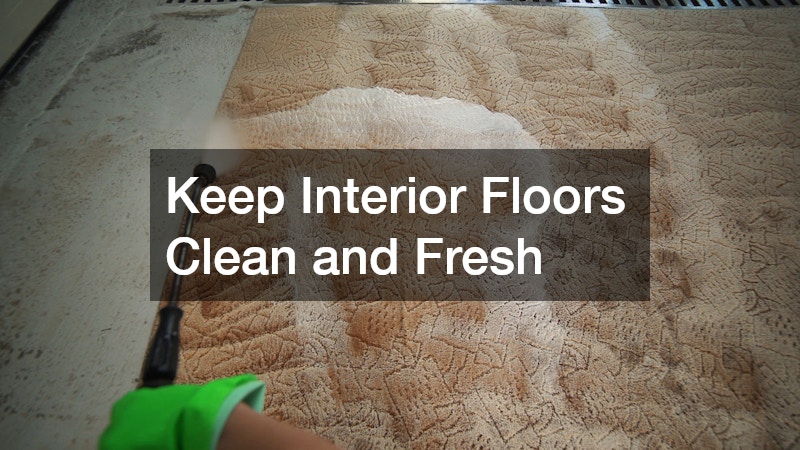
Carpets experience constant foot traffic, collecting dirt, dust, allergens, pet hair, and other debris that regular vacuuming cannot always remove. Over time, these contaminants become embedded deep within the fibers, affecting both the appearance of the flooring and the quality of the indoor environment. Scheduling professional carpet cleaning helps remove stubborn buildup while restoring the look and feel of your carpets.
Professional cleaning also helps eliminate stains, odors, and bacteria that may remain trapped below the surface. This is especially beneficial for households with children, pets, or individuals who suffer from allergies. Regular maintenance can extend the lifespan of carpeting by preventing abrasive dirt particles from wearing down the fibers over time.
Most homeowners benefit from having carpets professionally cleaned every 12 to 18 months, although homes with heavier foot traffic may require more frequent service. Keeping carpets clean not only improves comfort but also helps maintain a healthier living space.
Prevent Plumbing Problems Before They Start
Many plumbing issues begin gradually before homeowners notice obvious warning signs. Hair, grease, soap residue, food particles, and mineral deposits slowly accumulate inside pipes, reducing water flow and increasing the likelihood of clogs. Routine drain cleaning helps remove these buildups before they lead to slow drains, unpleasant odors, or complete blockages.
Ignoring minor drainage problems can place additional strain on your plumbing system. As pipes become more restricted, water may back up into sinks, showers, or tubs, potentially causing water damage or creating unsanitary conditions. Preventive maintenance helps keep wastewater flowing efficiently throughout the home.
Homeowners can reduce buildup by avoiding the disposal of grease, coffee grounds, and non-flushable items, but even careful habits cannot prevent every blockage. Periodic professional drain maintenance helps identify developing problems before they require more extensive plumbing repairs.
Maintain Your Wastewater System on a Regular Schedule
Homes that rely on septic systems require ongoing maintenance to keep wastewater processing safely and efficiently. Solids naturally accumulate inside the tank over time, and without regular septic tank pumping service, these materials can overflow into the drain field or cause backups inside the home.
The frequency of pumping depends on factors such as household size, water usage, and tank capacity. Many systems require pumping every three to five years, although individual needs may vary. Following a recommended maintenance schedule helps reduce the risk of costly repairs while extending the lifespan of the entire septic system.
Homeowners should also avoid flushing items such as wipes, paper towels, grease, and harsh chemicals that can interfere with the system’s natural biological processes. Routine inspections, combined with scheduled pumping, provide an opportunity to identify potential issues before they become major concerns.
Check Your Roof for Signs of Damage

The roof serves as the home’s first line of defense against rain, wind, snow, and changing temperatures. Even small areas of damage can allow moisture to enter the structure, leading to leaks, mold growth, insulation problems, and wood deterioration. Scheduling a regular home roof inspection helps identify these issues early.
Professional inspections typically include evaluating shingles, flashing, vents, gutters, and other roofing components for signs of wear or storm damage. Missing shingles, cracked sealants, loose flashing, or clogged drainage systems can often be repaired before they develop into more expensive structural problems.
Many homeowners choose to have their roofs inspected annually or after severe weather events involving hail, high winds, or heavy snowfall. Early detection allows repairs to be completed while damage remains relatively minor, helping preserve both the roof and the home’s interior.
Improve Indoor Air Quality and HVAC Performance
The heating and cooling system continuously circulates air throughout the home, and over time, dust, pollen, pet dander, and other airborne particles can accumulate inside the ductwork. When buildup becomes excessive, it may reduce airflow and contribute to poor indoor air quality. Hiring an experienced air duct cleaning and repair company can help restore proper airflow while removing accumulated debris.
In addition to cleaning, technicians can inspect ductwork for leaks, disconnected sections, or damaged components that reduce HVAC efficiency. Sealing or repairing these issues allows conditioned air to reach living spaces more effectively, helping the system operate with less strain.
Routine duct maintenance may also reduce dust accumulation throughout the home and improve overall comfort. While cleaning frequency depends on individual conditions, homes with pets, recent renovations, or allergy concerns often benefit from periodic inspections and professional service.
Refresh and Protect Exterior Surfaces
The exterior of a home is constantly exposed to rain, wind, sunlight, pollen, dirt, mold, mildew, and algae. Over time, these elements can leave siding, driveways, patios, decks, fences, and walkways looking worn and neglected. Routine power washing service helps remove this buildup while restoring the appearance of outdoor surfaces.
Beyond improving curb appeal, cleaning exterior surfaces can also help extend their lifespan. Organic growth such as mold and algae can trap moisture against materials, increasing the risk of staining, deterioration, and premature wear. Removing these contaminants allows surfaces to dry properly and reduces the chance of long-term damage.
Not every surface should be cleaned using high pressure. Some materials require a softer approach to avoid damage, making it important to use the appropriate cleaning method for each area of the property. Scheduling professional exterior cleaning once or twice a year can help maintain your home’s appearance while protecting its materials from unnecessary deterioration.
Keep Your Yard Healthy and Well-Maintained
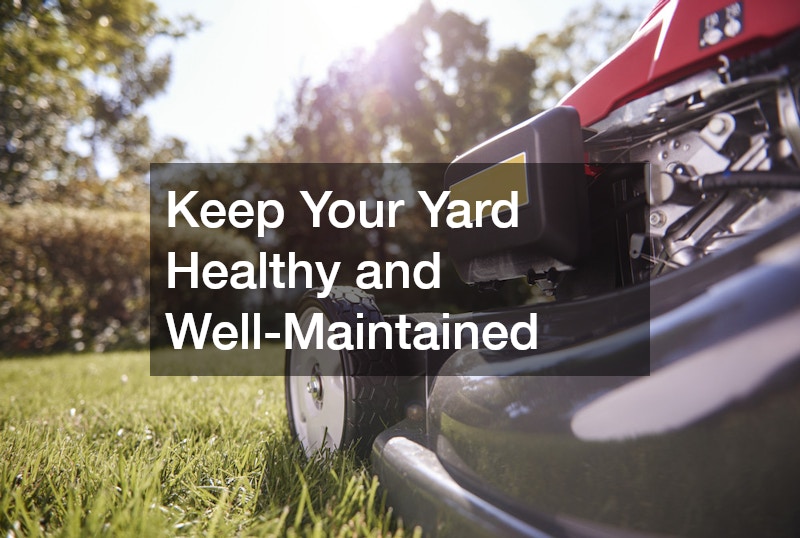
A healthy lawn contributes to the overall appearance of a property while supporting proper drainage and reducing weed growth. Consistent lawn mowing service is one of the simplest ways to keep grass healthy throughout the growing season.
Mowing at the correct height encourages stronger root development and helps grass withstand drought, heat, and everyday foot traffic. Cutting the lawn too short can weaken the grass, making it more vulnerable to disease and allowing weeds to spread more easily. Regular mowing also creates a cleaner, more polished appearance that enhances curb appeal.
Lawn maintenance involves more than simply cutting grass. Seasonal fertilization, watering, aeration, and overseeding all contribute to healthier turf. Removing leaves and yard debris also helps prevent fungal growth and allows sunlight to reach the grass more effectively. Together, these routine tasks create a lawn that remains attractive and resilient throughout the year.
Remove Overgrown and Hazardous Branches
Trees provide shade, beauty, privacy, and environmental benefits, but they also require ongoing maintenance. Dead, diseased, or overgrown limbs can become hazardous during storms and may pose a risk to roofs, vehicles, fences, power lines, or neighboring properties. Regular tree trimming helps keep trees healthy while reducing these potential dangers.
Pruning removes weak or damaged branches before they have an opportunity to fall. It also improves airflow throughout the canopy, allowing sunlight to reach more of the tree and reducing conditions that encourage disease or pest infestations. Proper trimming can even stimulate healthy growth and improve the overall structure of the tree.
Homeowners should also monitor trees for signs of decay, leaning trunks, cracked limbs, or exposed roots that may indicate declining health. Large or hazardous trees should always be evaluated by qualified professionals, especially when branches are located near structures or utility lines. Preventive tree care protects both your landscape and your home from avoidable damage.
Inspect and Care for Your Water Supply System
For homes that rely on private wells, routine water well maintenance is essential for maintaining a dependable and safe water supply. Unlike municipal water systems, private wells are the responsibility of the homeowner, making regular inspections an important part of long-term property maintenance. To ensure the sustainability of your well, it’s crucial to keep detailed records of maintenance activities.
Well systems include several components, such as the pump, pressure tank, electrical connections, piping, and well cap. Periodic inspections can identify worn components, leaks, pressure fluctuations, or other issues before they interrupt your water service. Water quality testing is also recommended on a regular basis to check for bacteria, nitrates, minerals, and other contaminants that may affect the safety of your drinking water. Early detection of these issues can prevent more significant damage and ensure continuous water quality.
Keeping the area around the well clean and free of chemicals, fertilizers, and standing water also helps reduce the risk of contamination. By scheduling routine inspections and addressing small issues promptly, homeowners can help extend the life of their well system while maintaining reliable access to clean water. Engaging professional services for comprehensive inspections can further enhance your water supply system’s efficiency and longevity.
Update Living Spaces as Your Home Ages

Even well-maintained homes eventually benefit from updates that improve functionality, efficiency, and comfort. As families grow and lifestyles change, existing layouts may no longer meet everyday needs. Working with an experienced home remodeling contractor allows homeowners to modernize their living spaces while addressing aging materials and outdated features.
Remodeling projects often provide opportunities to improve energy efficiency by replacing old windows, upgrading insulation, installing modern fixtures, or incorporating newer building materials. Kitchens and bathrooms are common areas for renovation, but improvements can also include finished basements, room additions, improved storage, or enhanced accessibility features.
Planning renovations before significant deterioration occurs often makes projects more manageable and cost-effective. A thoughtful remodeling plan can increase the home’s functionality while preserving its long-term value. Combining routine maintenance with periodic updates helps ensure the property continues to meet the needs of its occupants for many years.
Keeping a home in excellent condition requires more than responding when something breaks. Consistent maintenance allows homeowners to identify small concerns early, reducing the likelihood that minor issues will become expensive repairs. Whether the task involves improving indoor cleanliness, maintaining major systems, or protecting the property’s exterior, every maintenance project contributes to the home’s overall health and longevity.
While some maintenance tasks can be handled by homeowners, others require specialized knowledge, equipment, or experience. Hiring qualified professionals for inspections, cleaning, repairs, and system maintenance helps ensure the work is completed safely and effectively. Professional service providers can also identify developing issues that homeowners may not recognize during routine upkeep.
Homeownership is an ongoing commitment, and every property experiences normal wear over time. Staying ahead of maintenance allows homeowners to protect their investment, extend the lifespan of major systems, and reduce the likelihood of unexpected expenses. Rather than viewing maintenance as a series of chores, it can be seen as a practical strategy for preserving one of life’s most valuable assets.
By consistently caring for both the interior and exterior of your home, you can maintain a cleaner, safer, and more efficient living environment throughout every season. Small, routine efforts performed today often prevent much larger problems tomorrow, making regular home maintenance one of the smartest investments any homeowner can make.