Most homeowners assume that boosting a property’s value means renovating every room in the house, but that is rarely true. Real estate agents and appraisers consistently point to one transformed space as the tipping point that changes how buyers perceive an entire home. Whether it is a kitchen, primary bathroom, or entryway, a single well-executed statement room can shift a property from forgettable to unforgettable. This article breaks down which rooms matter most, what upgrades actually move the needle, and how to plan a transformation that pays off.
Choosing the Room That Will Define Your Home
Not every room carries the same weight when it comes to perceived value. Kitchens and primary bathrooms consistently top buyer priority lists, but entryways and living rooms can also serve as the visual anchor for a home’s identity. The key is picking a space that gets seen early and often, either by guests, buyers, or the household itself. A room that sets the tone for the rest of the house will always deliver a stronger return than one tucked away and rarely used.
Before committing to a room, think about traffic flow and sightlines. A space visible from the front door or open-concept living area has more visual influence than a secluded guest bedroom. Homeowners who work with a home remodeling contractor early in the planning process often get honest feedback about which room will create the biggest visual impact for the budget available.
- Kitchens remain the most consistently valuable statement room
- Primary bathrooms are a close second for buyer appeal
- Entryways set first impressions before anyone sees the rest of the house
- Living rooms work well in open floor plans where sightlines matter
Setting a Realistic Budget for a Single Standout Space
One of the advantages of focusing on a single room is that it allows for a more generous budget without overwhelming overall renovation costs. Instead of spreading money thin across five mediocre updates, homeowners can concentrate funds on materials and finishes that actually stand out. This approach also makes it easier to track spending and avoid the scope creep that often derails whole-house projects.
A realistic budget should account for both visible finishes and the labor behind them. Skilled trades, permits, and design consultations add up quickly, so it helps to build in a contingency of at least ten to fifteen percent. Splurging in the right places, like countertops or lighting, while saving on less visible elements, keeps the project balanced.
- Set a firm total budget before selecting finishes
- Reserve ten to fifteen percent for unexpected costs
- Prioritize spending on surfaces and fixtures that buyers notice first
- Get at least two or three quotes before finalizing labor costs
Exterior Curb Appeal as the First Statement

Before anyone steps inside, the exterior of a home makes its own statement, and this is where many homeowners underestimate the impact. A fresh coat of paint on siding, trim, and doors can transform how a house is perceived from the street in a way that rivals interior renovations. Hiring a professional house painter ensures even coverage, proper surface preparation, and color choices that photograph well for listings.
Exterior painting is not just about aesthetics; it also protects the home from moisture, sun damage, and pest intrusion. Choosing durable, weather-resistant paint formulated for your climate extends the life of the investment significantly. Many homeowners are surprised to learn that exterior painting delivers one of the highest returns on investment of any home improvement project, often recouping most of its cost at resale.
- Choose colors that complement the neighborhood without blending in completely
- Ask about weather-resistant, fade-resistant paint formulas
- Budget for proper prep work, including scraping and priming
- Consider accent colors on the front door for added visual interest
Kitchen Cabinetry as a Central Design Feature
Cabinetry often makes up the largest visual footprint in a kitchen, which is why it has such an outsized effect on perceived value. Working with a specialist in custom cabinet design allows homeowners to maximize storage while achieving a look that feels tailored rather than generic. Details like soft-close hinges, integrated lighting, and thoughtful hardware choices elevate the entire room without requiring a full layout overhaul.
Custom cabinetry also solves practical problems that stock options cannot, such as awkward corners, unusual ceiling heights, or the need for specialized storage like pull-out spice racks. Homeowners who invest here often find that the kitchen becomes the room that sells the house, both figuratively during everyday life and literally when it comes time to list the property. The upfront cost is offset by the fact that cabinetry rarely needs replacing again for decades.
- Soft-close drawers and doors add a subtle but noticeable quality feel
- Custom sizing eliminates wasted space in odd corners
- Mixed finishes, like two-tone cabinets, add visual depth
- Integrated lighting highlights both function and design
Bathroom Upgrades That Feel Like a Retreat
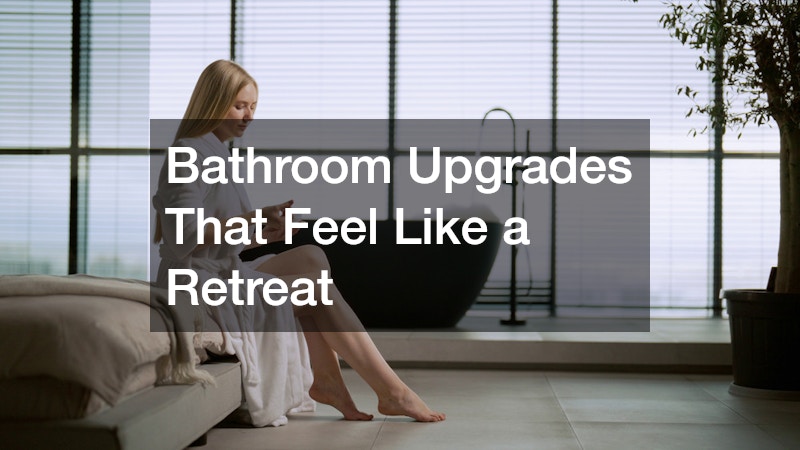
Bathrooms have evolved from purely functional spaces into personal retreats, and buyers notice the difference immediately. Replacing an old shower curtain setup with sleek glass shower doors instantly modernizes the room and makes it feel larger and more luxurious. This single swap is one of the most cost-effective ways to elevate a bathroom’s entire aesthetic without a full gut renovation.
Beyond the shower, small details compound to create a spa-like feel, including updated vanities, layered lighting, and improved ventilation. Heated flooring and frameless mirrors are increasingly popular additions that signal quality to potential buyers. A bathroom that feels calm and well-designed can become the deciding factor for buyers comparing similar homes in a neighborhood.
- Frameless glass enclosures create an open, modern feel
- Layered lighting improves both function and mood
- Heated flooring adds a luxury touch in colder climates
- Updated ventilation prevents moisture damage over time
Doors and Hardware That Elevate Every Transition
Doors are easy to overlook, but they play a significant role in how a home feels from room to room. Swapping hollow-core interior doors for solid, well-crafted custom doors adds weight, sound dampening, and a sense of quality that budget-conscious builders often skip. At just an inch and a half thick, a solid door closes with a satisfying, muted thud instead of the hollow rattle that signals a cheaper build.
This upgrade is particularly noticeable in a statement room, where every detail contributes to the overall impression. A study, primary suite, or home office benefits especially, since solid doors block noise and light more effectively, reinforcing the sense that the space is set apart from the rest of the house.
Hardware deserves equal attention. Swapping builder-grade hinges and knobs for solid brass, matte black, or brushed nickel hardware can transform a plain door into a focal point, especially when paired with detailing like raised panels, shaker profiles, or glass inserts. Even small choices, such as lever handles versus knobs or the weight and sound of a hinge, subtly communicate craftsmanship every time someone walks through.
Budget-wise, upgrading a handful of key doors, rather than every door in the house, often delivers the best return, letting homeowners concentrate quality where it will be seen and felt most.
Hardware finishes matter just as much as the doors themselves. Coordinating handles, hinges, and locks across a home creates a cohesive look that feels intentional rather than accidental. A mismatched mix of brushed nickel in one hallway and oil-rubbed bronze in another sends a subtle signal that a home was updated piecemeal rather than designed with care.
Choosing one finish family and carrying it through the main living areas is an easy way to avoid this. Matte black and brass have become popular anchor tones because they read as intentional against nearly any door color or wall palette. For homes with a more traditional style, polished chrome or satin nickel often blends in more naturally with existing fixtures.
Even a modest budget can accommodate upgraded hardware, making it one of the more affordable ways to reinforce a room’s design theme. A full hinge, handle, and lockset swap for an average interior door typically runs $30 to $80, depending on the finish and brand, which is a fraction of the cost of replacing the door itself. Prioritizing high-visibility spots first, like the front entry, primary bedroom, and any statement room, lets homeowners stretch that budget while still making a noticeable impact.
- Solid-core doors reduce noise between rooms and add a substantial, high-end feel when they close with a solid thud instead of a hollow rattle
- Matching hardware finishes (brushed brass, matte black, or aged bronze) across hinges, handles, and locks creates visual consistency throughout the home
- Statement doors — think bold color, glass panels, or reclaimed wood — work well as focal points in entryways and set the tone before guests even step inside
- Pocket doors save space in smaller statement rooms like home offices or powder rooms, where a swinging door would eat up usable square footage
- Oversized doors (8 feet or taller) can make standard ceilings feel grander and are worth the investment in rooms meant to impress
- Consistent door heights and styles across a floor create a cohesive flow, so mixing panel styles from room to room can undercut an otherwise polished look
Flooring Choices That Anchor the Room’s Design
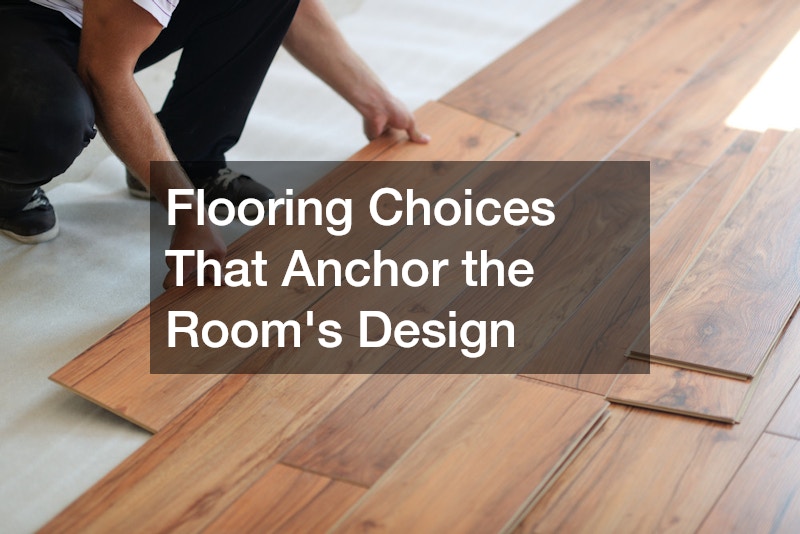
Flooring sets the foundation, literally and visually, for any statement room, which is why material and finish selection deserve careful thought. Exploring different wood flooring finishes, from matte to high-gloss, allows homeowners to control how light interacts with the space and how much wear will show over time. Matte and satin finishes tend to hide scratches better, while glossier finishes create a more formal, polished appearance.
Working with a professional hardwood flooring service ensures proper installation, acclimation of materials, and long-term durability. Poorly installed flooring can lead to gaps, warping, or squeaks that undermine even the most beautifully designed room. Investing in quality installation upfront protects the value of the materials and prevents costly repairs down the line.
- Matte finishes hide scratches and everyday wear better
- Glossy finishes create a formal, upscale appearance
- Proper acclimation prevents warping after installation
- Professional installation reduces long-term maintenance issues
Working With Professionals Who Understand the Whole Picture
A statement room rarely comes together through disconnected purchases and DIY guesswork. Partnering with an experienced professional helps homeowners coordinate timelines, trades, and design decisions so the final result feels cohesive rather than piecemeal. Professionals can also flag structural or code issues early, before they become expensive surprises mid-project.
For homeowners building an addition or starting from scratch, involving a home builder or a specialist in custom home design ensures the statement room is planned into the architecture from day one, rather than retrofitted later. This forward planning often results in better flow, more natural light, and layouts that maximize the room’s impact. Getting professional input early tends to save money over the life of the project, even though it may feel like an added upfront cost.
- Ask potential professionals for references and completed project photos
- Confirm licensing and insurance before signing any agreement
- Discuss timeline expectations and potential delays upfront
- Request a detailed written scope of work before construction begins
Unlock the Potential of Your Home: Transform Your Space Today!
Transforming a single room into a true statement space is one of the most efficient ways to change how an entire home is perceived, both by the people who live there and anyone who eventually walks through the front door. The key is thoughtful planning, realistic budgeting, and choosing materials and professionals that reflect long-term quality rather than quick fixes. Start by identifying which room in your home has the greatest potential impact, then build a plan around durable, well-crafted upgrades. With the right approach, that one room can become the reason buyers fall in love with your home, and the reason you never wanted to sell it in the first place.
Now is the time to take that first step toward transformation! Whether you’re looking to create a cozy living space or a stunning kitchen, don’t hesitate to reach out for expert advice and inspiration. Your dream room is just a decision, let’s make it happen together!