A backyard should do more than look attractive from the kitchen window. It can provide room for family meals, quiet mornings, outdoor entertaining, and activities that make time at home more enjoyable. Reaching that potential rarely requires replacing everything at once. Thoughtful improvements to the ground, plants, surfaces, and gathering areas can make an ordinary yard easier to use and maintain.
The most successful upgrades begin with an understanding of how the space currently functions. Poor drainage, limited shade, awkward pathways, and aging materials can affect daily enjoyment even when the overall landscape appears appealing. Identifying those problems early helps homeowners direct money toward changes that solve practical needs rather than simply adding decorative features.
A backyard renovation also benefits from a realistic timeline. Some projects should happen before others, especially when heavy equipment, excavation, or underground utilities are involved. By planning the work in a logical order, homeowners can reduce disruptions, protect new installations, and create an outdoor environment that feels intentional from one area to the next.
Start With a Practical Assessment of the Space
Before choosing materials or requesting estimates, spend time observing the backyard at different hours and after changing weather conditions. Notice where water collects, which areas receive intense afternoon sunlight, and how people move between the house, garden, and existing seating areas. A walkway that looks attractive on paper may be inconvenient if it does not follow the routes people naturally take.
Consider who will use the property and what activities matter most. Families with children may need open areas for play, while homeowners who entertain regularly might prioritize a dining patio and convenient access to the kitchen. Someone who prefers gardening may want raised beds, accessible paths, and a nearby water source. These preferences should inform the layout before construction begins.
Professional landscape design services can help translate those needs into a plan that accounts for soil conditions, mature plant sizes, drainage, and different elevations. A designer can also identify opportunities to reuse existing features instead of removing everything.
Establish a budget with room for unexpected repairs, material delivery, and site preparation. Divide the work into essential improvements and optional enhancements. This distinction makes it easier to phase construction without compromising the overall design.
Prepare the Ground and Address Water Problems
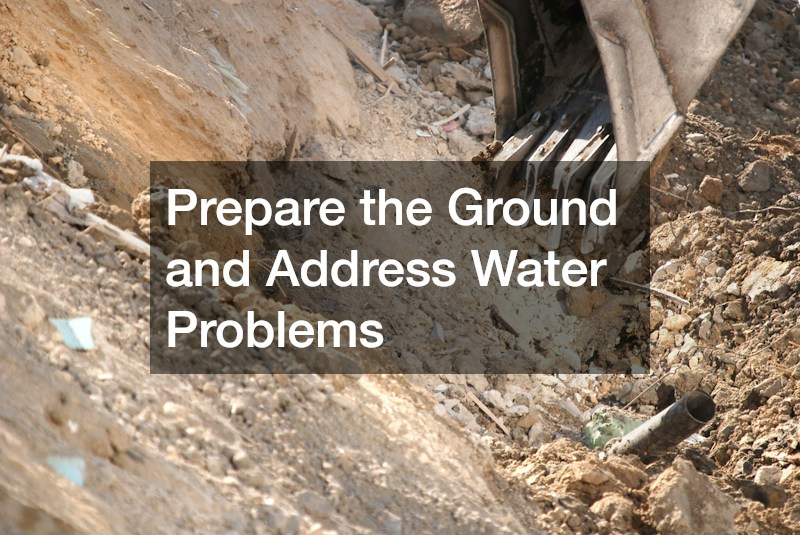
Proper site preparation supports nearly every improvement that follows. Uneven ground can create uncomfortable walking areas, make furniture unstable, and direct stormwater toward the foundation. Before installing patios, paths, or lawns, evaluate the slope and determine where runoff travels during heavy rain.
A professional grading service can help reshape portions of the yard so water moves away from buildings and toward appropriate drainage areas. Depending on the property, the solution may involve subtle changes in elevation, drainage channels, or other systems designed for local soil and rainfall conditions. Any changes should avoid sending additional runoff onto neighboring properties.
Compacted soil can prevent water from soaking in, while poorly placed downspouts may concentrate runoff where it causes erosion. Addressing these issues before adding expensive finishes reduces the likelihood of having to remove newly installed materials for repairs.
Locate buried utilities before digging, and investigate any permit requirements that apply to excavation or drainage work. If the yard includes a steep slope or recurring water intrusion near the home, additional evaluation may be necessary. Good preparation is not the most visible upgrade, but it protects everything built above it.
Once drainage is under control, establish stable bases for future features. Paths and paved surfaces need appropriate excavation, compacted layers, and edges that keep materials from shifting. These details contribute to long-term performance, especially in regions with freezing temperatures or frequent rainfall.
Shape the Landscape With Plants and Natural Materials
Plants give a backyard structure, seasonal interest, and a sense of privacy. Instead of filling empty spaces with unrelated shrubs, think about how planting areas can define different outdoor zones. Taller greenery may screen a seating area from neighboring windows, while smaller plants soften the edges of pathways and patios.
Visit a local garden nursery to explore options suited to the area’s climate, sunlight, and soil. Staff may be able to explain which plants tolerate drought, attract pollinators, or require regular pruning. Choosing varieties based on their mature dimensions helps prevent overcrowding and reduces the need for extensive trimming later.
A combination of small trees, medium shrubs, ornamental grasses, and ground covers can make the landscape feel established. Grouping plants with similar watering needs also simplifies irrigation and can help conserve water.
Decorative rocks offer another way to add texture and define spaces. They can frame planting beds, highlight a dry landscape, or provide a contrasting surface around selected plants. However, rock beds are not automatically maintenance-free. Windblown debris, weeds, and shifting material still require attention, and dark stones may increase heat around sensitive plants.
Use mulch, stone, and living ground covers according to the conditions in each area rather than applying one solution everywhere. Consistent edging and a restrained material palette can help the landscape appear cohesive without feeling overly formal.
Select Surfaces That Match Everyday Activities
The ground surface has a major influence on how comfortable and useful the backyard feels. Traditional grass works well in many settings, but it may struggle in heavily shaded areas or locations where foot traffic is concentrated. Bare soil can become muddy, while poorly chosen paving may feel hot or slippery.
For households looking to reduce mowing, artificial turf installations may offer an alternative in play spaces, pet areas, or narrow sections that are difficult to maintain. Synthetic turf still requires cleaning, debris removal, and occasional brushing. It can also become significantly hotter than natural grass in direct sunlight, making shade and surface temperature important considerations.
Where natural lawns remain practical, improve the soil before reseeding or laying sod. Appropriate grass varieties, sensible watering, and mowing at the recommended height can help establish healthier growth. In places where a lawn is unnecessary, consider planting beds, permeable pathways, or seating areas instead.
Different surfaces can also signal how each part of the yard should be used. Soft ground cover may suit a quiet garden corner, while a firm and level surface works better beneath a dining table. Choose materials for their intended purpose, maintenance demands, drainage characteristics, and compatibility with nearby features.
Remember to consider accessibility. Routes should be wide enough for comfortable movement, transitions should minimize tripping hazards, and frequently used areas should remain practical after rain.
Create a Patio That Supports Outdoor Living
A patio often becomes the center of backyard activity because it provides a dependable place for meals, conversation, and relaxation. Its location should reflect how the household uses the home. A dining space near the kitchen may make serving food easier, while a quieter corner can be better suited to reading or small gatherings.
Homeowners researching a local patio install should compare layouts, materials, drainage plans, and the amount of preparation included in each proposal. Furniture dimensions, circulation space, and the location of doors or steps matter more than square footage alone.
Material choices affect both appearance and upkeep. Pavers can create distinct patterns and may allow individual units to be replaced if damaged. Poured concrete can provide a straightforward, continuous surface when installed correctly. Contractors offering concrete services may also discuss finishes that improve traction and complement the home’s architecture.
Plan for shade and sun exposure before finalizing the footprint. A pergola, appropriately placed trees, or a movable umbrella can make the area more comfortable during warmer months.
Leave adequate space for people to pull out chairs and walk around seating without stepping into planting beds. A patio that accommodates ordinary movement will be more enjoyable than one crowded with features. The goal is to create an inviting extension of the home, not simply maximize paved area.
Connect Outdoor Zones With Durable Hardscaping
Even a beautiful patio can feel disconnected if the path leading to it is muddy, narrow, or difficult to follow. Walkways, steps, retaining features, and defined borders help connect the major parts of a yard. They also guide movement and reduce wear on lawns and planting beds.
Experienced hardscape contractors can evaluate whether a feature needs additional structural support, special drainage, or a particular base material. Retaining walls, for example, must respond to soil pressure and water buildup, not just visual preferences. Taller walls or projects near structures may require engineering and permits.
Choose a limited number of complementary finishes to maintain visual consistency. Curves can soften a naturalistic garden, while straighter lines may fit a modern home or compact lot.
Think carefully about the transitions between elevations. Steps should be consistent, well lit, and positioned where people naturally travel. Railings may be appropriate or required in certain locations. Where practical, a gently sloping route can provide easier access for wheelbarrows, strollers, and guests with mobility concerns.
Hardscape features should serve the landscape rather than overwhelm it. Leaving room for planted areas helps manage the balance between useful surfaces and greenery. The result can be a yard that feels organized while retaining the relaxed qualities that make outdoor spaces enjoyable.
Modernize the Pool and Its Surroundings
An existing swimming pool can anchor a backyard renovation, but an aging pool may need attention before new landscaping is installed around it. Cracked coping, damaged surfaces, deteriorating decking, and inefficient equipment can affect both appearance and use. Inspect these elements early so necessary repairs are included in the project budget.
A pool renovation company can assess the condition of the shell, plumbing, circulation system, and surrounding materials. Depending on the findings, improvements might include resurfacing, replacing worn coping, updating lighting, or making equipment more energy efficient.
For certain pool types, pool liners play an important role in retaining water and protecting the underlying structure. Wrinkles, leaks, fading, or brittle sections may indicate that a liner needs professional evaluation. Replacement requires accurate measurements and proper preparation, so it should be coordinated with any work that affects adjacent decking or edges.
Safety belongs in the planning process as well. Secure barriers, self-closing gates, slip-resistant walking surfaces, and appropriate lighting can help reduce hazards. Local requirements may specify fencing and other protective measures, so verify the rules before changing the pool area.
Avoid placing plants where falling leaves constantly enter the water or where roots may interfere with nearby structures. With coordinated planning, the pool, patio, and landscape can function as one inviting setting rather than competing for attention.

Protect the Investment With Ongoing Maintenance
A backyard renovation does not end when the last plant goes into the ground. Newly planted trees and shrubs require attentive watering as their roots establish, while paved areas benefit from periodic cleaning and inspection. Keeping up with smaller tasks can prevent minor issues from developing into expensive repairs.
Create a maintenance schedule based on the materials and features installed. Check drainage outlets after storms, clear leaves from pathways, and watch for settling near steps or edges. Inspect irrigation systems for leaks and adjust watering as seasons change. If the yard includes a pool, follow the equipment manufacturer’s guidance and maintain water chemistry appropriately.
Seasonal conditions should shape the routine. In colder regions, prepare irrigation lines and outdoor plumbing for freezing weather. In warmer climates, pay closer attention to heat stress, watering demands, and shaded gathering areas. Whatever the location, regular observation often reveals problems before they become obvious.
Keep records of contractor recommendations, product warranties, planting selections, and completed repairs. Records also help homeowners plan upgrades gradually instead of repeating work unnecessarily.
Most importantly, evaluate the backyard based on daily experience. Does the seating area remain comfortable at the times people use it? Are pathways easy to navigate? Do planting beds look attractive without requiring more care than the household can provide? Small adjustments guided by real use can be more valuable than another major construction project.
A well-planned outdoor space brings together practical groundwork, durable materials, thoughtful landscaping, and features that fit the household’s routines. By improving the yard in a sensible sequence and maintaining each addition, homeowners can create a backyard that supports relaxation, connection, and everyday enjoyment for years to come.